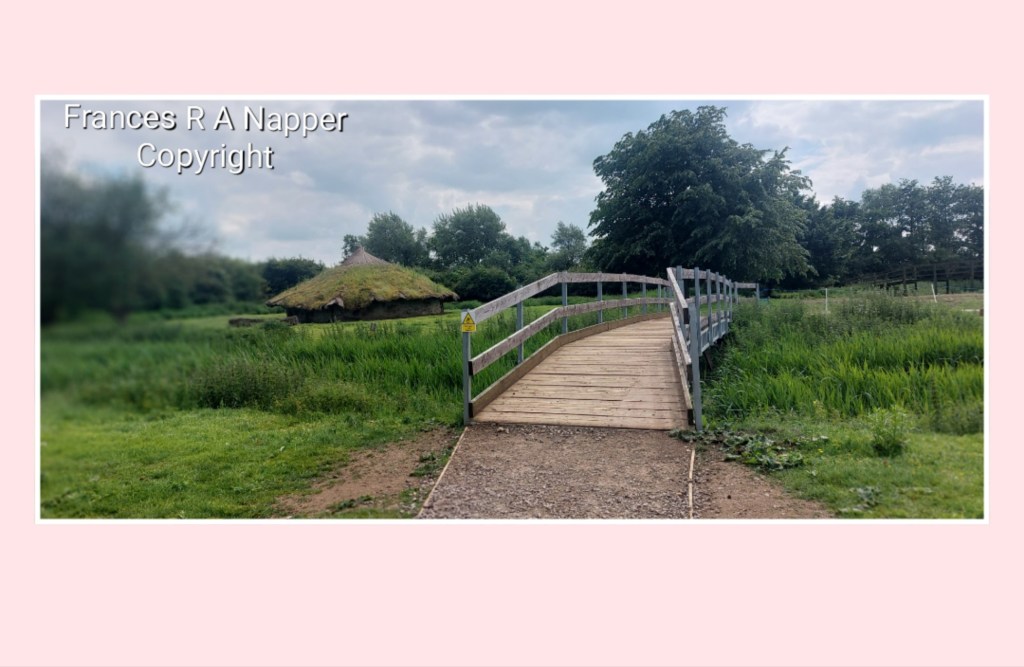
I had a lovely walk around Flag Fen (Bronze Age) last week. It was a lovely peaceful afternoon. I stopped off to have a pot of tea with a dinosaur.
Flag Fen is an important Bronze Age archaeological site located in the Fens of eastern England, near Peterborough. Dating back to around 1350 BCE to 950 BCE, it offers a unique glimpse into prehistoric life in Britain. Here are some key features and aspects of the site:
- Timber Causeway and Platform: Flag Fen is best known for its extensive timber causeway and platform, which stretched over a kilometer and consisted of thousands of oak posts. This construction is believed to have had both practical and ceremonial purposes, possibly serving as a pathway across the wet fenland and as a place for ritual activities.
- Waterlogged Preservation: The anaerobic conditions of the wetland have preserved organic materials, such as wood, textiles, and plant remains, exceptionally well. This has provided archaeologists with invaluable insights into the daily life, technology, and environment of the Bronze Age.
- Finds and Artifacts: Numerous artifacts have been uncovered at Flag Fen, including tools, weapons, pottery, and personal items. These finds indicate a community engaged in various activities such as farming, crafting, and trade.
- Sacrificial Offerings: Evidence suggests that the site may have been a place for ritual offerings. Items such as swords, spears, and jewelry have been found deliberately placed in the water, possibly as votive offerings to deities or spirits.
- Excavations and Research: Archaeological excavations at Flag Fen began in the 1980s, led by Dr. Francis Pryor. The research has significantly contributed to the understanding of Bronze Age societies in the region and their interactions with the landscape.
- Visitor Experience: Today, Flag Fen is an open-air museum, allowing visitors to explore reconstructed Bronze Age structures, view artifacts, and learn about the site’s history through exhibits and educational programs.
Overall, Flag Fen stands out as a remarkable site for studying the Bronze Age due to its well-preserved remains and the wealth of information it provides about prehistoric life in the British Isles.


 SmileyRose Ramblings by
Frances Rose Agnes Napper (She/Her)
SmileyRose Ramblings by
Frances Rose Agnes Napper (She/Her) 